Strict anaerobes are not simply organisms that prefer to grow without oxygen. Many of them are damaged or killed by it, some within minutes, because they lack the enzymes that neutralise the reactive species oxygen produces inside a cell. Culturing them reliably is therefore less about the incubator and more about whether the organism ever encounters air at all, from the moment a sample is opened to the moment a plate is read.
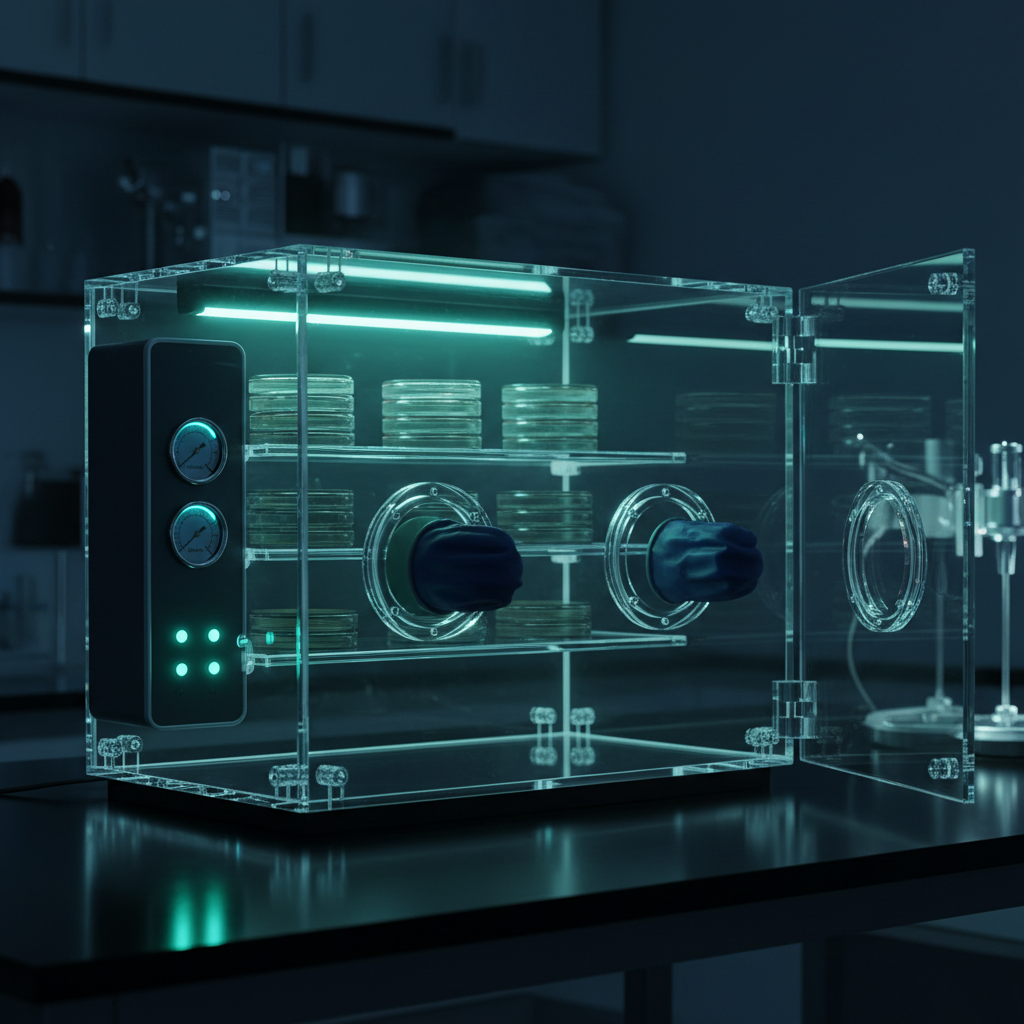
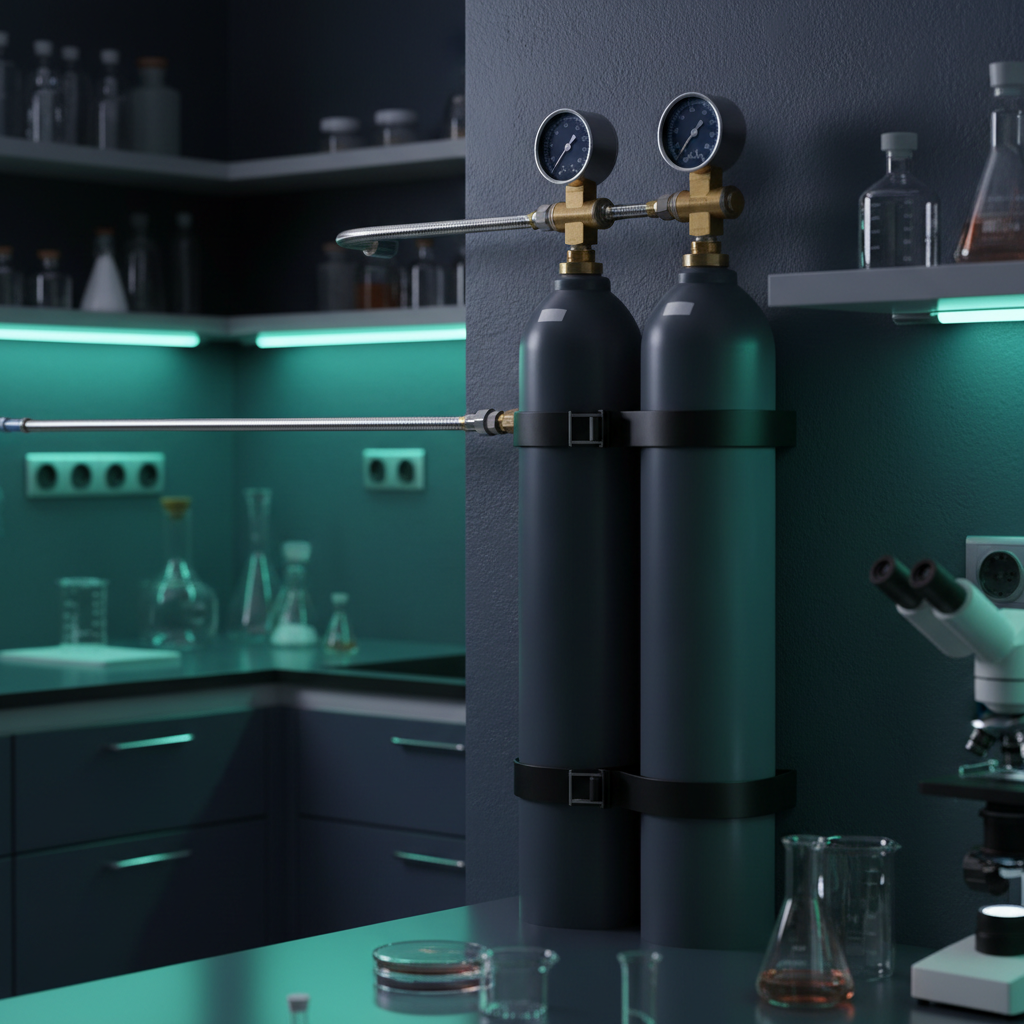
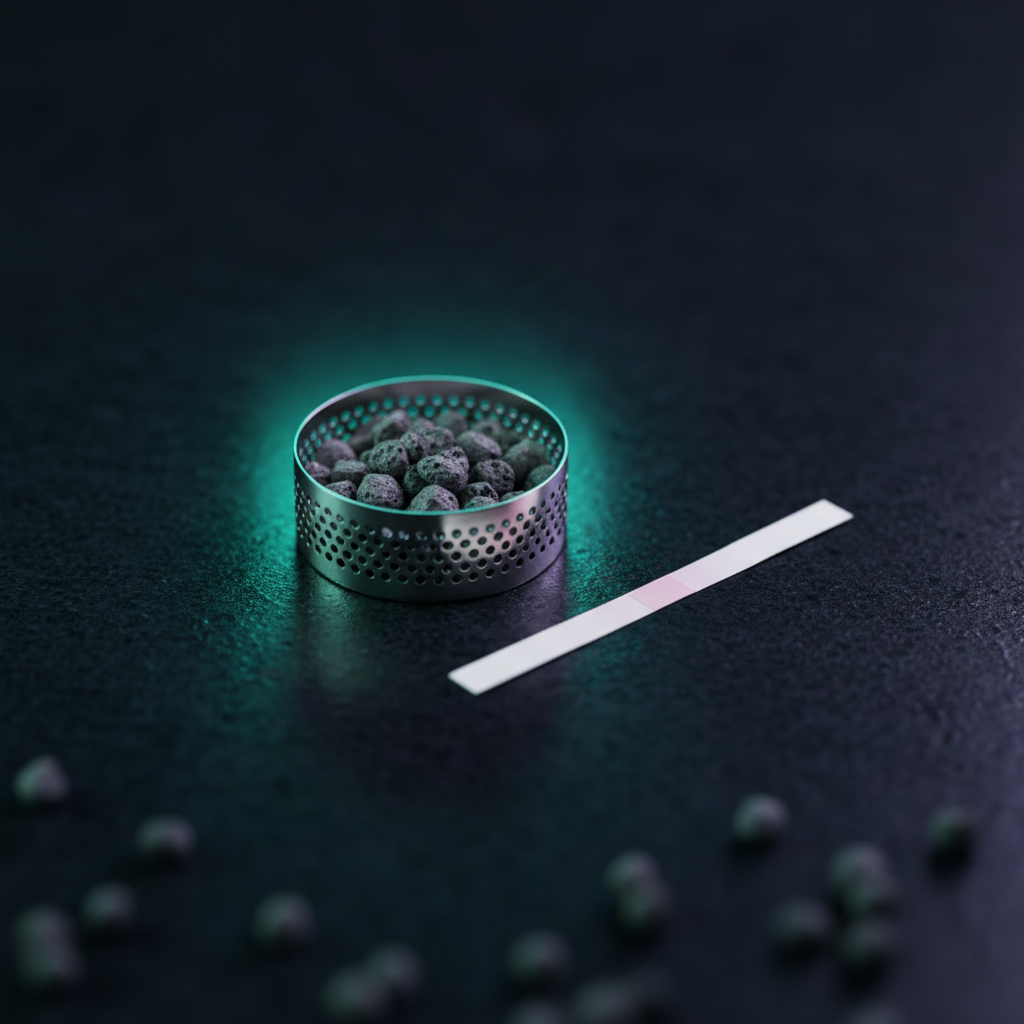
A chamber solves that by replacing room air with a defined mixed gas, commonly around 5% hydrogen, 5 to 10% carbon dioxide and the balance nitrogen, and then actively removing whatever oxygen still finds its way in. A palladium catalyst does the removing. At room temperature it catalyses the reaction between hydrogen and oxygen, 2H2 + O2 giving 2H2O, so oxygen entering the chamber is converted to water vapour as the atmosphere circulates over the pellets. A desiccant then takes that water back out, which keeps the interior workable and protects the catalyst from the moisture that deactivates it.
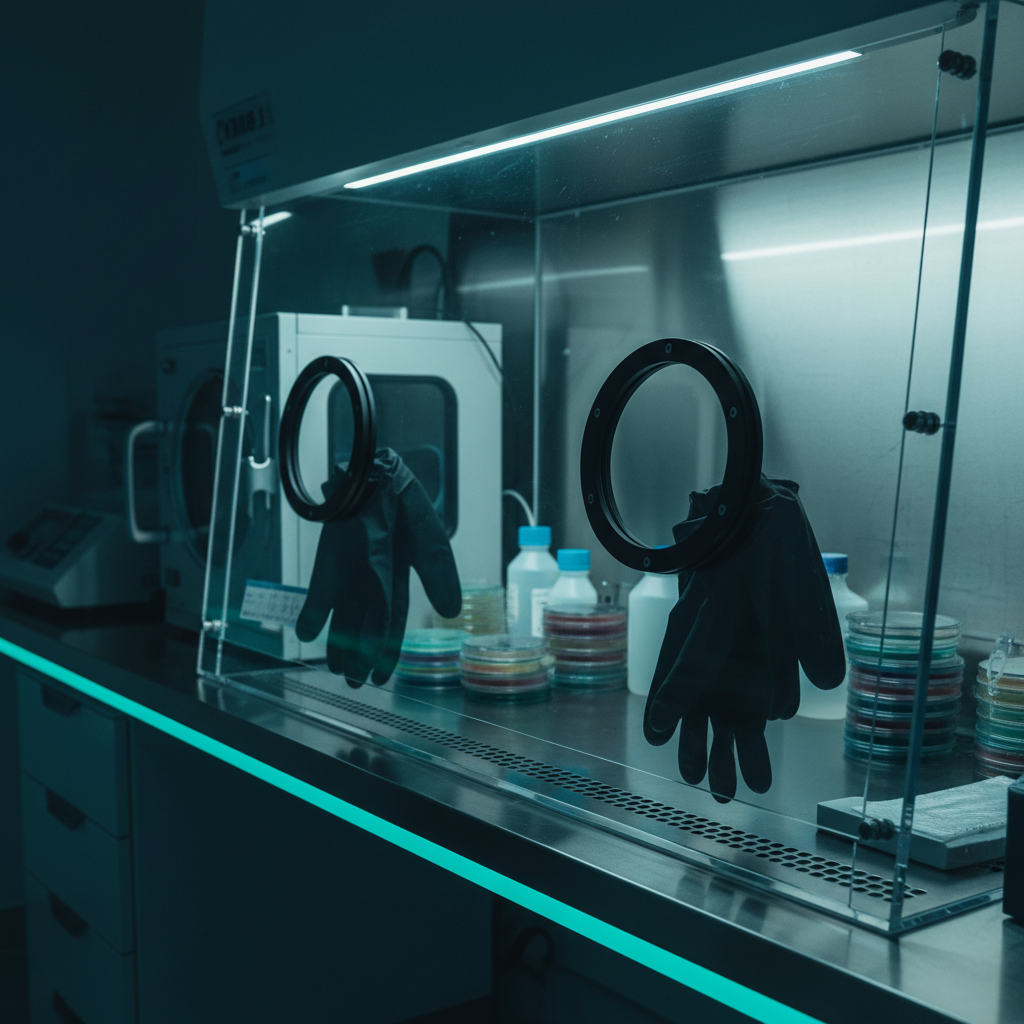
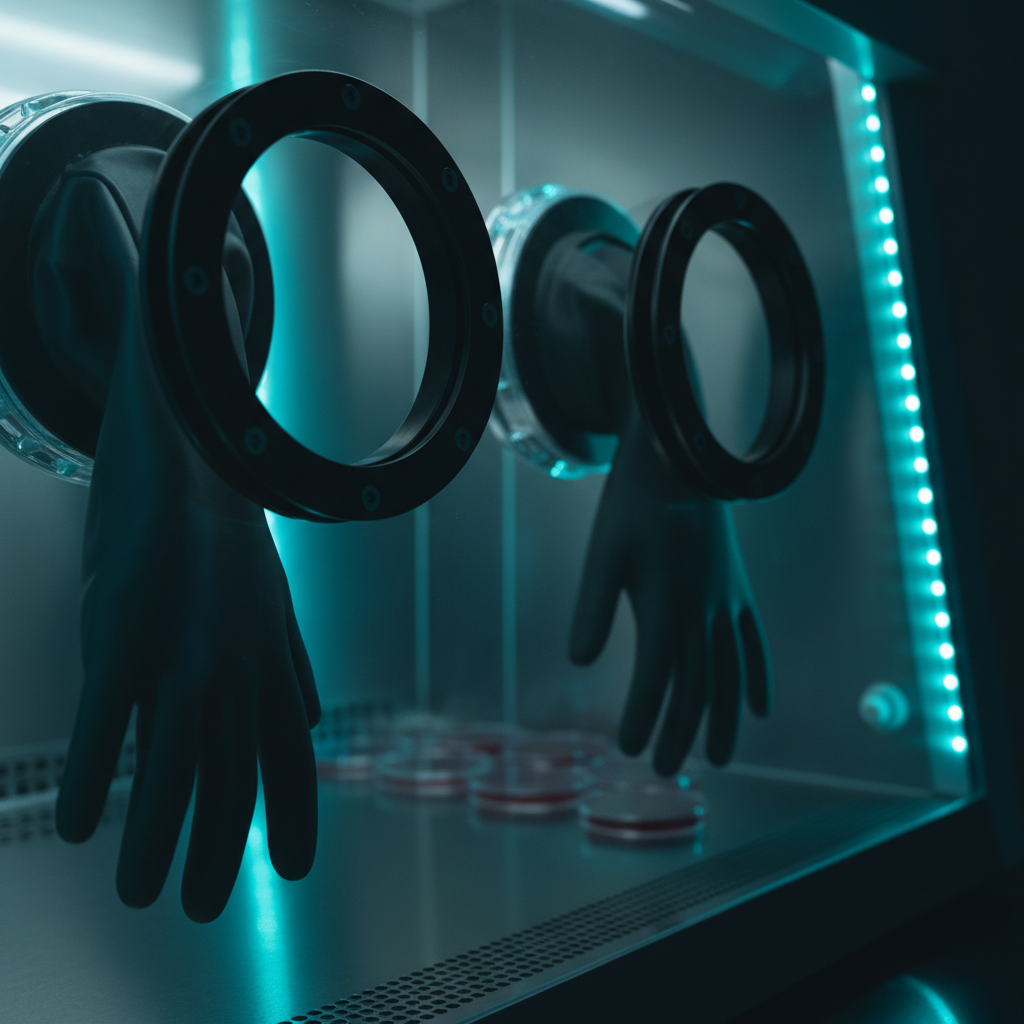
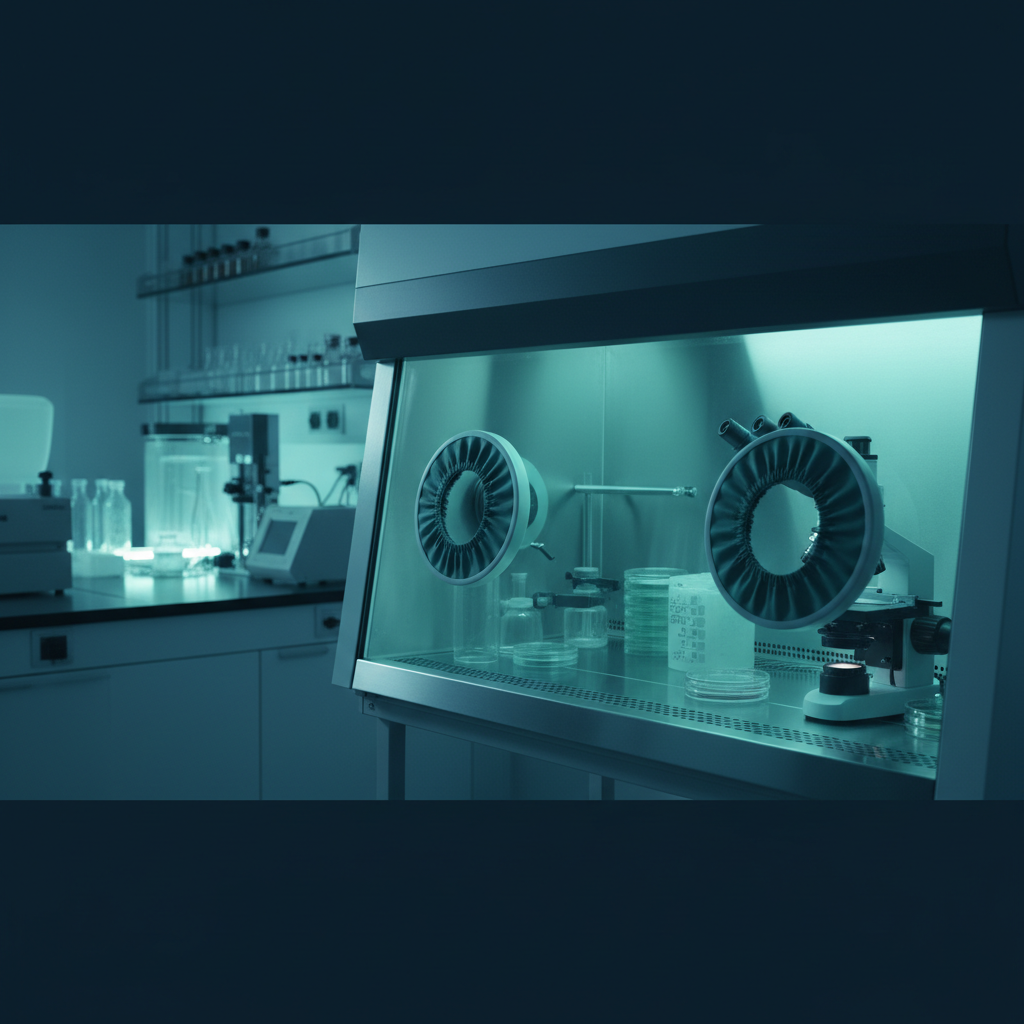
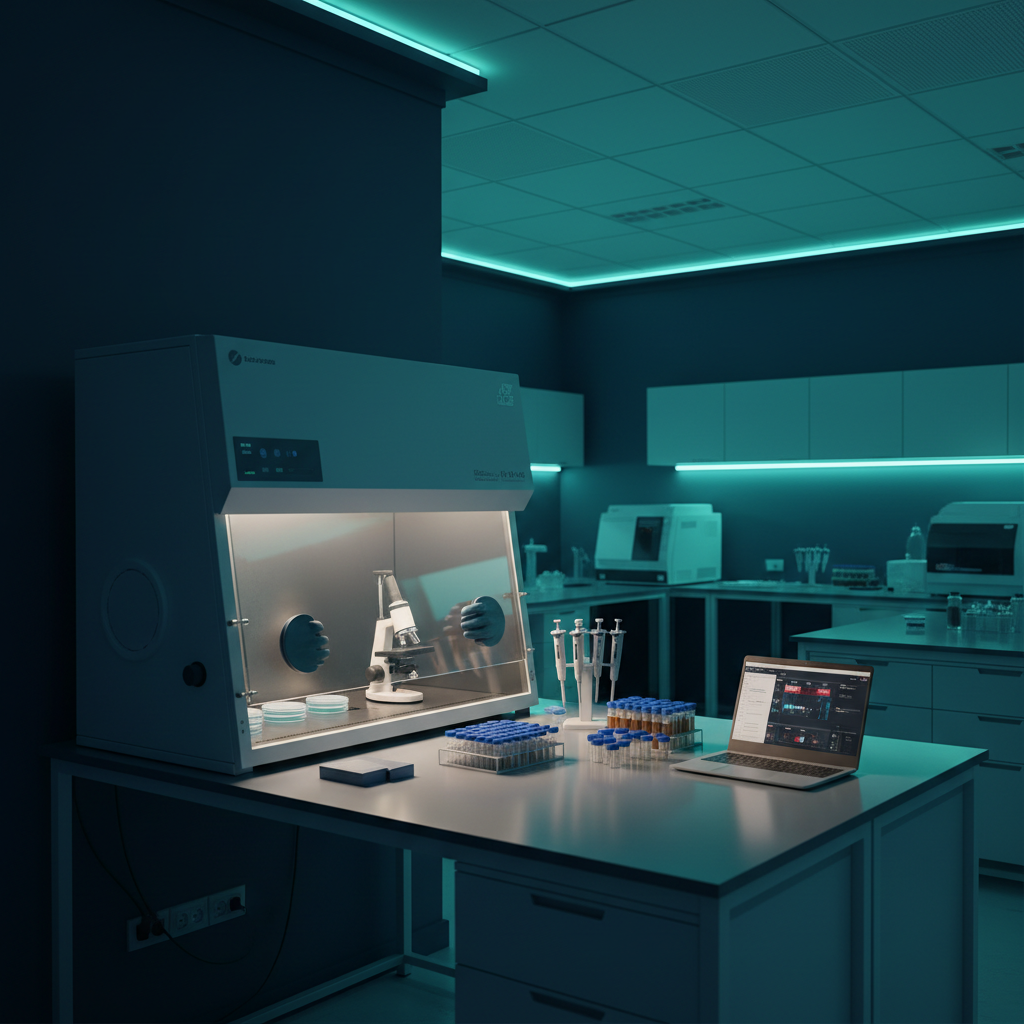
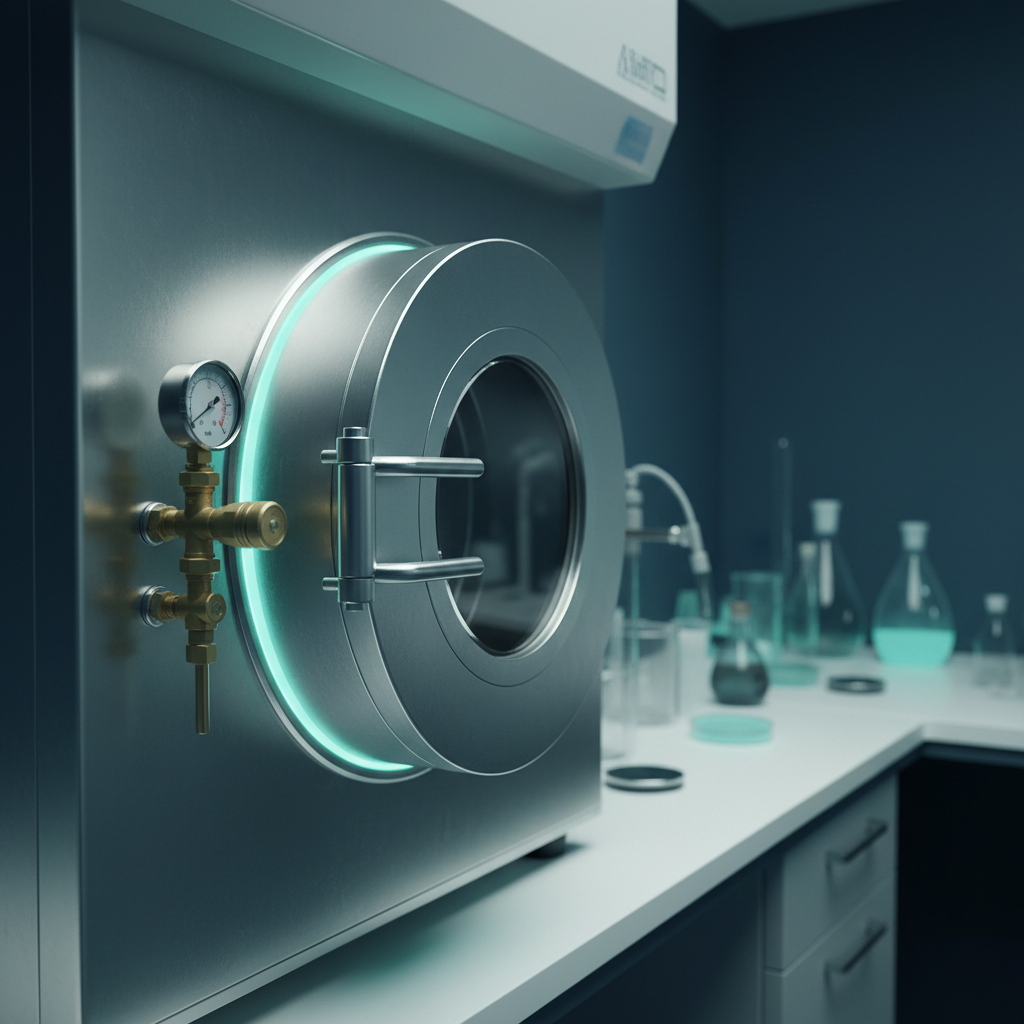
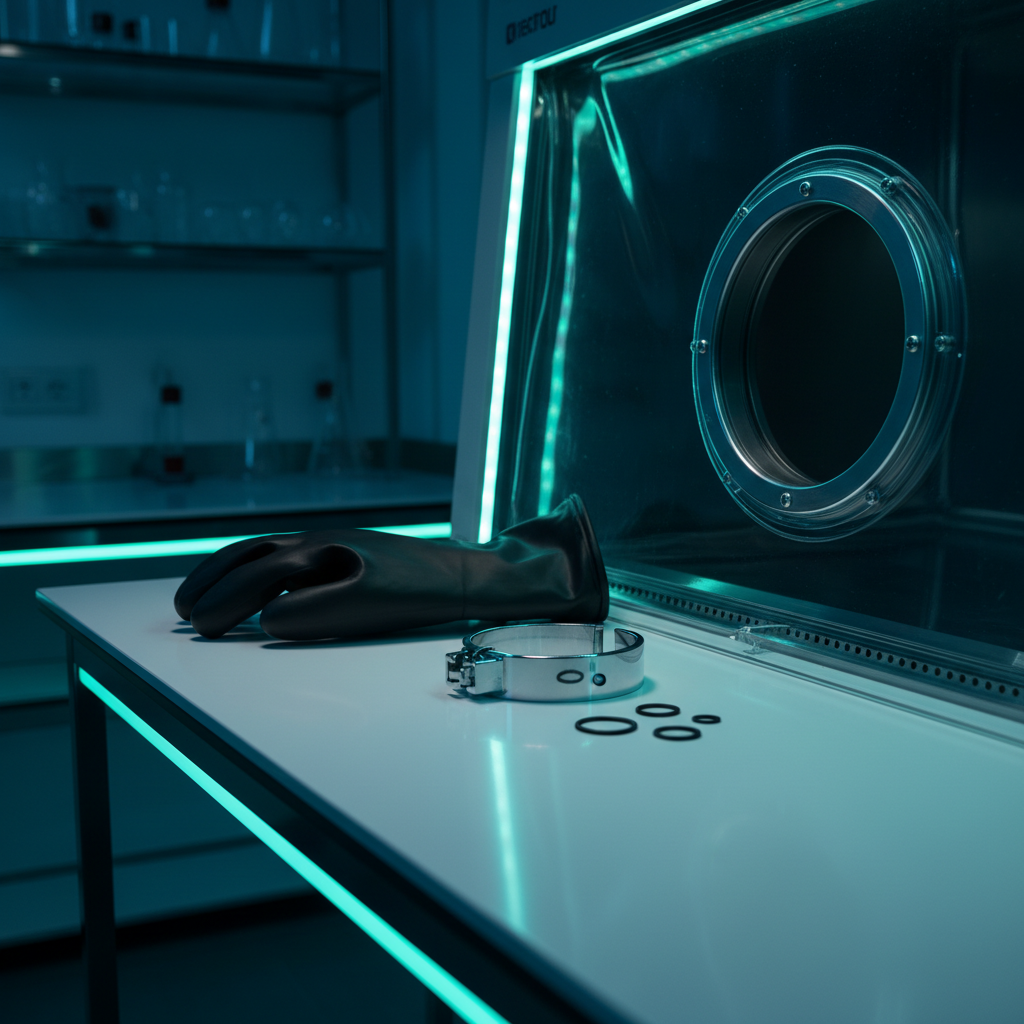
The remaining problem is traffic. Every plate, tip box and waste bag that crosses the boundary is a chance to bring air with it, which is what the airlock exists to prevent. Material goes into the airlock from the room, the airlock is purged, and only then does the inner door open. Hands cross the boundary through glove ports or sleeve cuffs, which flex without opening. Between the catalyst, the airlock and the ports, the atmosphere the work depends on is maintained continuously rather than recreated each morning.